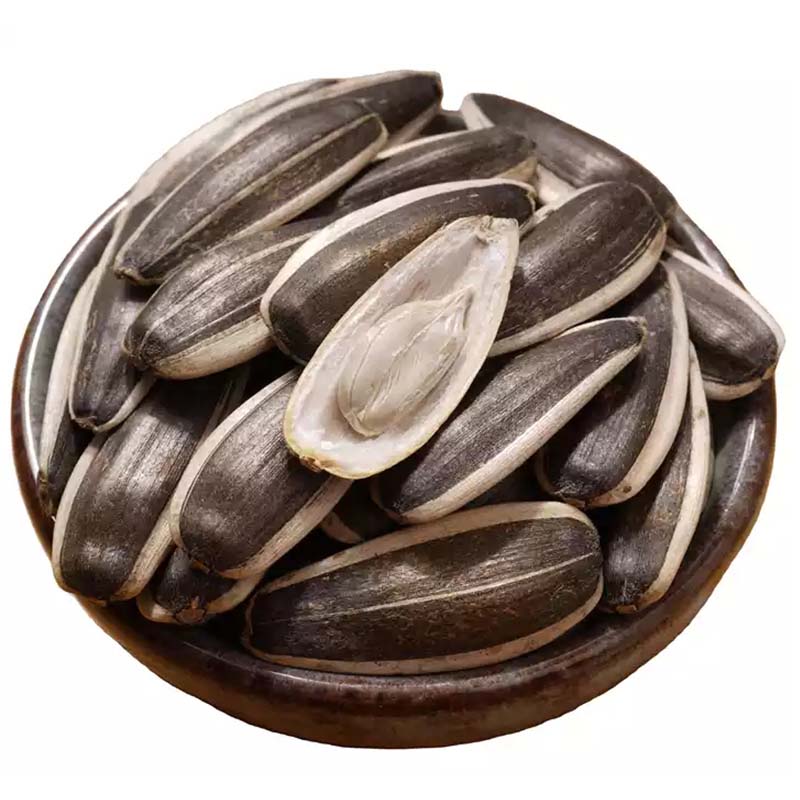
The yellow squash seed is one of the most widely consumed vegetable varieties. Numerous individuals enjoy its sweet flavor and versatility. There are numerous varieties of this vegetable, and it is simple to cultivate.
The squash family includes pumpkin and pumpkin seeds, cucumber, zucchini, gourd, and muskmelon. These vegetables are susceptible to many pests and diseases. Fortunately, there are many plant varieties resistant to a variety of these diseases. A good knowledge of pests and diseases will help you protect your crop from damage.
Squash and pumpkin are grown best on sandy, loam soil. This allows a good air circulation and helps prevent disease problems. However, diseases can still occur on poorly drained soils. Watering from the base can help prevent some problems.
Mosaic virus is a virus that infects most commercially grown cucurbits. It can be transmitted by aphids or cucumber beetles. Plants with mosaic virus show distorted leaves, light and dark green areas, and stunted growth.
Leaf spot disease is another common problem. When leaf spot disease is present, small yellow-brown spots appear on leaves. Eventually, the disease expands and forms large necrotic patches. In severe cases, plants die.
Aphids are tiny insects that live on the underside of the leaves. They leave behind a sticky substance called honeydew. Depending on the species, aphids can be black or white. There are various insecticides that can kill aphids. For example, PyGanic can be used against nymphs, and spinosad can be used against adults.

Squash has been a staple in the American landscape for centuries. Various varieties of squash include summer and winter squash, pumpkins, and even melons. Most varieties can be grown from seed. However, there are a handful that will require transplanting, especially if they are large or have a thick skin.
There are several key factors to consider when planning to grow a crop, including soil quality, soil temperature, and the best time to plant. For instance, squash will not germinate well if it is planted too early in the spring. Luckily, there are several tips and tricks to help you get a head start.
One is to prepare the soil for transplants by raking and tilling it. Another tip involves making sure your soil is properly hydrated. Finally, be sure to mulch your plants to prevent weeds from sprouting.
The best time to start your seeds is in the late spring, after the frost has passed. To ensure a good crop, be sure to fertilize your plants at least once before planting.
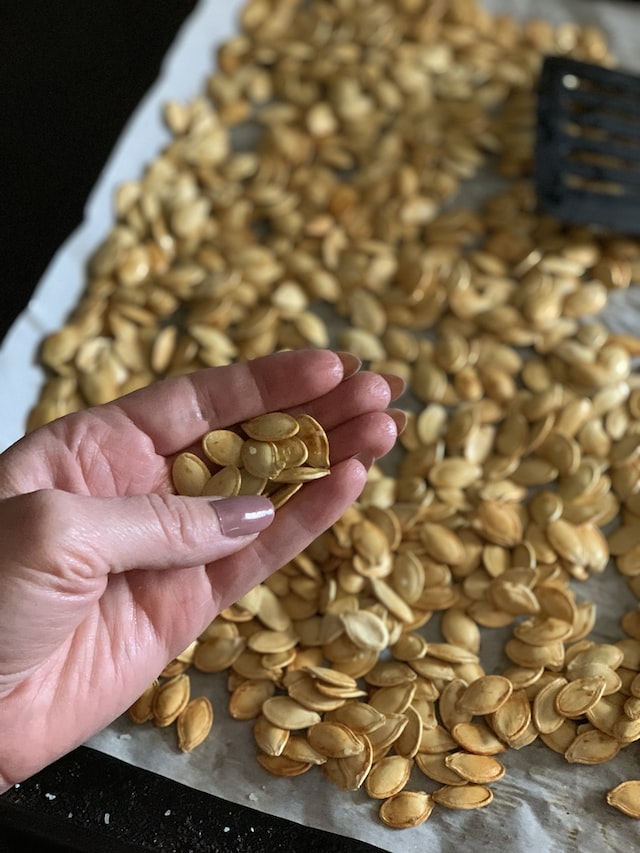
If you want to grow yellow squash in your garden, you must understand a few things about seed harvesting and storage. Having a few tricks up your sleeve will assist you in producing a bountiful harvest and preventing diseased plants.
The most essential harvesting tip is to harvest your squash before it becomes tough. You can accomplish this by gently pulling it away from the stem.
While harvesting a squash, you may observe that the blossom end is soft or wrinkled. This is caused by squash rubbing up against the plant. Before placing your yellow squash in the refrigerator, it is simple to eliminate these blemishes.
After harvesting the fruit, you should thoroughly rinse it before consuming it. Then, you can place it in an open plastic bag and refrigerate it for up to a week.
While you're at it, use a fungicide to prevent powdery mildew, which can appear on the leaves of your squash during cool, wet weather. A fungicide will also eliminate anthracnose-induced leaf spots.

If you want to save your yellow squash seed for future use, you have to know how to properly store it. Improper storage can make the seeds unviable, so make sure that you keep your seeds in the proper place.
Squash grows well in fertile soil and in a sunny location. You should add a complete fertilizer before planting.
A good rule of thumb is to save the seeds from healthy plants. If you do not know if your plant is diseased, you should not save it. There are many ways to save your seeds.
The first step is to remove the flesh from the seeds. You can cut them with a knife or pruners. Afterwards, you can dry them out on a screen.
Another way to save the seeds is to ferment them. This process kills viruses and allows you to separate the good seeds from the bad ones.
You can also store your squash seed in a jar and place it in the refrigerator. Keep in mind that cured squash will not last as long as fresh.
Zhongtai (chemical) Group is home to 43 holding companies and 38 participating companies. These comprise Xinjiang Zhongtai Import and Export Trading Co. Ltd. and Zhongtai International Development (Hong Kong) Co. Ltd.. The group employs nearly 22,000 people. The pvc resin(PVC), ionic material caustic soda, and viscose, and viscose yarn BDO PTA, are the major products of the business. Products are widely used in textiles, construction materials, national defense, and other over 20 applications.
Zhongtai Group, a dominant company, operates in two main industries that are: chlor-alkali chemical (PVC) and viscose fabric (Viscose Textile) like viscose yarn . Its main products consist of polyvinylchloride resin (PVC) viscose fabric, ionic-membrane caustic soda, as well as viscose dye. It supports the economic circular chain of thermoelectricity and charcoal and calcium carbide slag that is used for the production of cement and pulp. In addition the company is staffed by a group of employees with more than 20 years of extensive manufacturing experience, which ensures the quality and stability of our products, from mechanical equipment to the operators. The company has had both loyal and solid customers from all over the world.
Zhongtai Group was founded on the advantages of Xinjiang's resources. Concentrate on the "three major industries" of the chemical sector, agriculture and logistics. The company also constructs seven industrial areas in chemical agriculture, logistics, trade and textile finance, as well as new energy and finance. Seven industrial facilities were built in Urumqi Changji Turpan, Bazhou Aksu Hotan, Aksu, Aksu and Tajikistan. It has created a circular economy industrial chain that produces 2.6 million tons per year of PVC, 1.8million tons of caustic soda, and 2.8 million kW co-generation. 1,000,000 tons of viscose fibre, 4.8 millions spindles for yarn, 1.2million tons PTA and 300000 tonnes BDO. It is China's largest PVC and caustic soda production, cotton processing, and viscose yarn plant.
We are a full-service organization capable of meeting the needs of all types of customers. We are able to provide customers with production equipment design solutions and high-quality products like polymer technology that are tailored to their specific production site and requirements. The company provides customers with one-stop customization options for raw materials, beginning with demand analysis, product selection, and the design and installation of production equipment manufacturing.
Copyright © Zhongtai Import & Export Co.,Ltd All Rights Reserved